With Harb al-Mukhtar
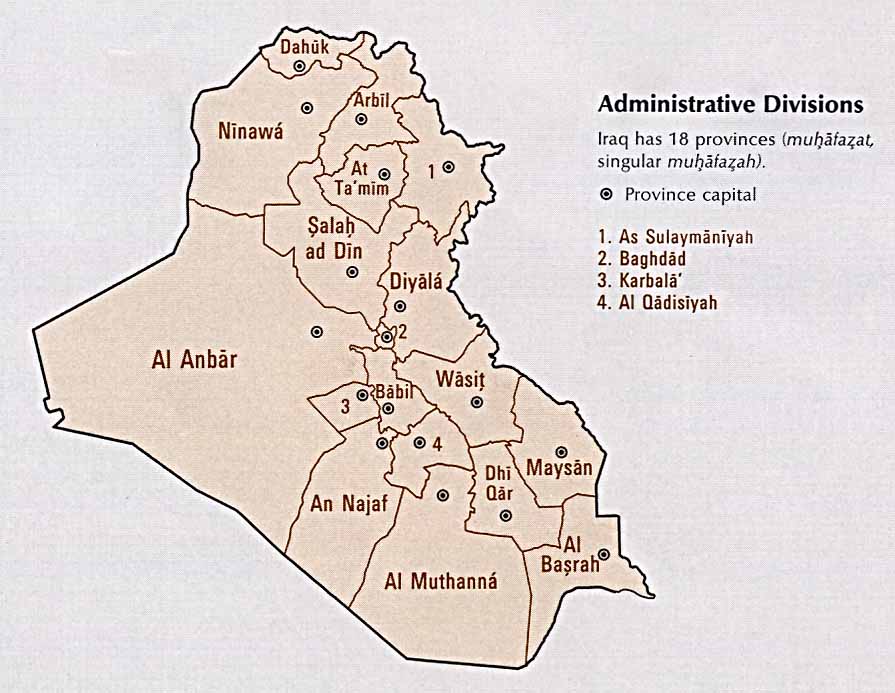
RAMADI – Hospital personnel are reporting regular raids and interference by the U.S. military as fighting continues in the volatile al-Anbar province of Iraq.
The U.S. raids come as the hospitals face an increasing lack of vital supplies and equipment.
Two hospitals in Ramadi, about 70 miles west of the capital in Baghdad on the Euphrates river, are being raided regularly by the U.S. military, doctors say.
“The maternity hospital and the general hospital in our city are the two biggest hospitals,” the official said. “These have both been raided twice a week by the American forces with the excuse that they are searching for militants. They [the U.S. soldiers] break every door which is closed, play with our records, and sometimes even detain some of our staff. The Americans are not adhering to any laws.”
Other doctors spoke of the lack of adequate equipment and infrastructure.
Dr. Abdul Qader, who works at Ramadi General Hospital, told IPS that the critical care unit there lacked monitors, the CT scan was broken, and many other instruments were not working. Such problems are now common around the province, both doctors said.
“In addition to lacking electricity, we often lack fuel deliveries for our generators,” said Dr. Qader. “Our machines often break down, which puts our patients in very critical situations.”
Similar problems have been evident in Baghdad since last year. “We had a power outage while someone was undergoing surgery in the operating room,” Ahlan Bar, manager of nurses at the Yarmouk Teaching Hospital in Baghdad, told IPS. “He died on the table because we had no power for our instruments.”
The health official said ongoing attacks by militants could provoke U.S. forces to detain more doctors. “We have only 40 percent of staff we need to operate effectively,” he said. “Even now, we don’t have a specialist in anesthesia, so this is being handled by the nursing staff. Most medical staff now are too afraid to work in our province.”
The doctors expressed frustration at the U.S.-imposed curfew, which begins at 7 p.m. daily. Health services at Ramadi General Hospital end at 5 p.m. so that medical staff can be home before the curfew begins.
The Fourth Geneva Convention lays down specific provisions on delivery of healthcare services. “The occupying power has the duty of ensuring the food and medical supplies of the population; it should, in particular, bring in the necessary foodstuffs, medical stores, and other articles if the resources of the occupied territory are inadequate,” Article 55 states.
Article 56 says: “The occupying power has the duty of ensuring and maintaining, with the cooperation of national and local authorities, the medical and hospital establishments and services, public health and hygiene in the occupied territory, with particular reference to the adoption and application of the prophylactic and preventive measures necessary to combat the spread of contagious diseases and epidemics. Medical personnel of all categories shall be allowed to carry out their duties.”
But the U.S. forces continue to target hospitals regardless. Dr. Qasim, who had come from al-Qa’im hospital to the Ramadi General Hospital to obtain medical supplies, told IPS that the main hospital in al-Qa’im was targeted by occupation forces Nov. 7.
“On that day, 40 percent of our hospital was wrecked and the doctors’ residency was completely smashed,” he said. “Then on the next day, they continued with the other 60 percent of the hospital, including the emergency room and staff residency.”
The doctor said patients were transferred to nearby Obeidy Hospital in the two functioning ambulances, and in civilian cars.
“Even our ambulances were targeted by the soldiers,” said Dr. Qasim. “And in Obeidy City the hospital was under siege, and for three weeks we worked there without medical appliances or proper facilities.”
The health official said he had only 10 ambulances at his disposal, and he needed approval from American forces to use them.
“Even when we obtained permission from the Americans, we have had four out of 10 ambulance missions attacked. Recently in Khaldiya [near Fallujah], an injured man inside one of them was detained along with two of our doctors.” The health official said he had pleaded with American soldiers many times for assistance. “They accused me of aiding terrorists,” he said. “But I told them I have nothing to do with the security situation, and that I deal with injured persons because I have sworn to deal with the injured. We are two million persons living in a disaster now.”
(Inter Press Service)